Spike in otter deaths in Kachemak Bay
Published 4:30 am Sunday, October 11, 2015
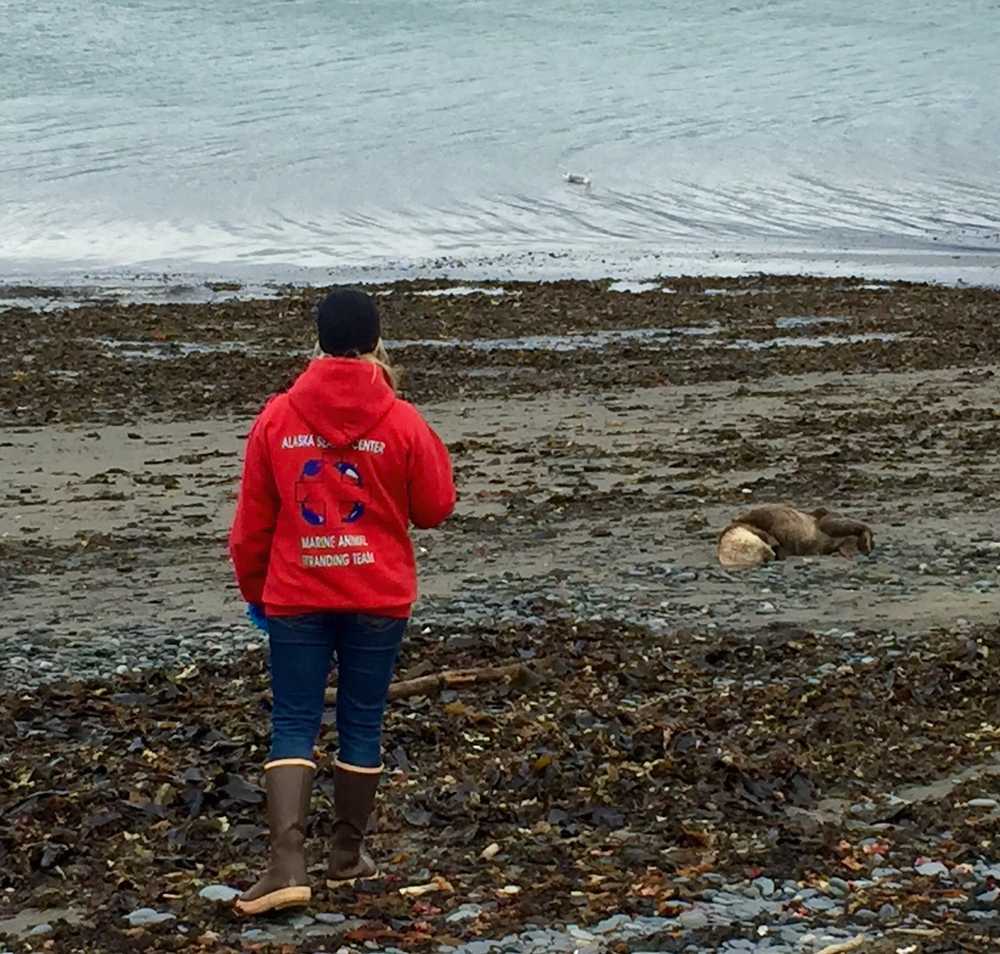
Dead and dying sea otters have been appearing more frequently on the beaches of Kachemak Bay for the last month.
This time of year, biologists would normally expect to see three or four sea otter strandings a week. This year, they’re hearing of three or four a day, according to Marc Webber, the deputy refuge manager of U.S. Fish and Wildlife in Homer.
It’s about five times as many as they would expect, he said.
The most immediately noticeable feature is that many of the otters being found are not emaciated. Most marine mammals that wash ashore are bony, ill-looking and have lost a large part of their body mass, Webber said.
“When this thing sort of started to happen in late August, we noticed that a lot of them didn’t really appear to have anything wrong with them,” Webber said. “They were pretty healthy-looking, other than they were dead.”
Webber said no beaches had been closed in Homer. The otters are clearly unwell, and Webber urged the public to stay away from the animals and keep their pets away. Sick otters that feel threatened can be dangerous, and they may carry communicable diseases, especially to dogs, he said.
“A lot of people in Alaska hunt wildlife, a lot of people take otters for their subsistence, but these animals ashore like this are almost always unhealthy,” Webber said. “Otters normally do come ashore where they can’t be approached by potential predators, but when you can see them, you have to realize that that’s a signal of something being wrong.”
Webber and volunteers have been collecting the otters and conveying them to researchers at the Alaska SeaLife Center in Seward.
If the animals are alive, veterinarians work with them to see if they will recover; if they are dead, they are sent to pathologists, who attempt to determine the cause of death.
The FWS and the SeaLife Center have been coordinating to conduct the autopsies to attempt to determine the cause of death.
Many of the samples are still being processed, so no definite cause has been determined, according to Andrea Medeiros, the public affairs specialist for the U.S. Fish and Wildlife Service based in Anchorage.
“The investigation is ongoing,” Medeiros said. “They haven’t drawn any conclusions about what pathogens are causing the deaths. They wouldn’t be able to conclude any relationship yet.”
More than 200 dead or sick sea otters have been reported on the shores of Kachemak Bay in 2015 so far, according to a joint news release from the SeaLife Center and the FWS.
Dr. Carrie Goetz, the staff veterinarian at the SeaLife Center, said the usual causes of death each year are trauma and bacterial infection.
Trauma is fairly easy to spot and animals that die of the bacterial infections tend to be chronically ill, she said. The animals this year look healthy but are moribund when they strand — nonresponsive and unable to move, she said.
“There haven’t been any obvious causes of death,” Goetz said. “That’s been limiting our understanding of what’s going on.”
The SeaLife Center has received a number of adult otters which they have been unable to save. However, they have managed to save two pups, which are too young to release into the wild, she said.
She said the cooperation among the three agencies involved — FWS, the SeaLife Center and the Alaska Veterinary Pathology Service — has been well coordinated. The majority of the necropsies, the analyses on dead otters, occur at the FWS facility in Anchorage, but SeaLife has been able to help with some, she said.
Reports of dead animals of multiple species have risen in the Kachemak Bay area in the last few months, including birds and barnacles in the Nanwalek and Seldovia areas. Dead common murres have been found on beaches after apparently starving to death, according to the Local Environmental Observer network.
Goetz said she was not sure about the cause of the murres’ deaths other than it appeared to be starvation, but she said there had been a number of death reports in Alaska this summer. Increased numbers of dead whales had been spotted as well, but unfortunately most were unreachable for testing, she said.
Much of the Pacific coast is in the midst of an algal bloom event, noted from California to southern Alaska, she said. Researchers are not yet certain if the bloom is releasing harmful toxins, but testing is under way, Goetz said.
Any updates about the potential cause and future actions taken will be communicated with the public, Webber said. In the meantime, he recommended that anyone who sees a dead or dying animal call the SeaLife Center’s Marine Mammal Stranding Hotline at 888-774-7325.
“It’s largely people out on the beaches, getting the word out to us,” Webber said. “That’s critical to helping us know what’s going on.”
Reach Elizabeth Earl at elizabeth.earl@cmg-northwest2.go-vip.net/peninsulaclarion