
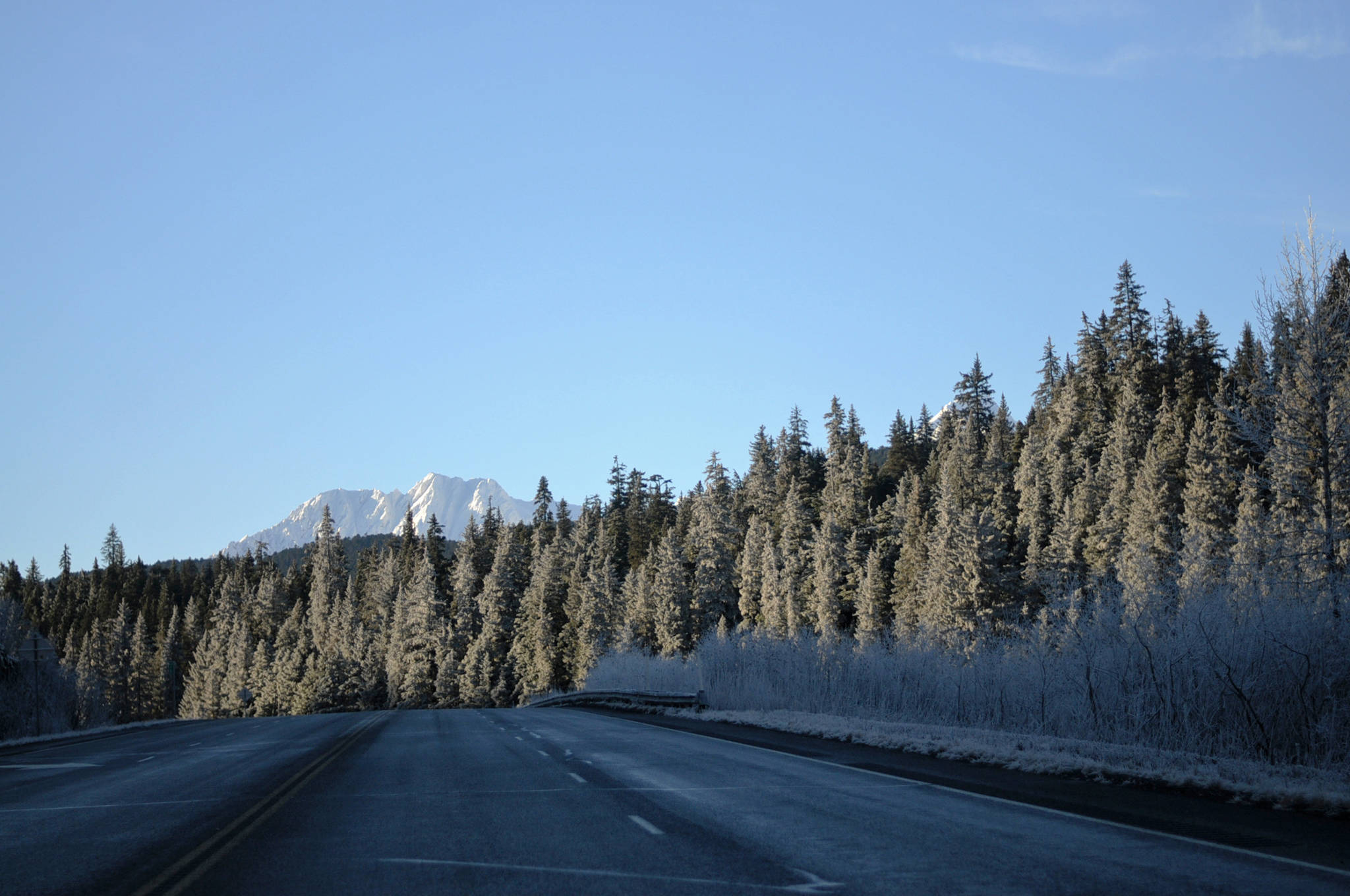
The five seats on the newly formed East Peninsula Highway Emergency Service Area’s board of directors have been filled.
The board’s first job is to determine what exactly the service area’s scope will be and work out a budget from there. The Kenai Peninsula Borough Assembly voted on the recommendation of Borough Mayor Mike Navarre to form the service area in May, creating the basic structure but leaving it up to the service area board to determine exactly which services will be provided and what the budget will be.
The assembly approved five applicants nominated by Navarre at its Tuesday meeting to fill the board seats. Four live on the eastern peninsula and one comes from the western peninsula: Michelle Stewart of Nikiski, Russel Stewart, Jr. of Cooper Landing, Sean Carrington of Seward, Jim Hunt of Seward and Curt Jacobson of Bear Creek.
Though Michelle Stewart lives on the western peninsula, she said she is familiar with the issue of emergency response in the Cooper Landing and eastern peninsula area because she worked on the Cooper Landing Emergency Services ambulance for a number of years. Though she said she moved over to the western peninsula some years ago, it’s still an important issue to her.
“It’s kind of near and dear to my heart,” she said. “There’s not enough people to volunteer their time anymore (for that service).”
She said she wasn’t intimately familiar with the service area details yet, but planned to do research before the board convened its first meeting.
For the others, the issue of emergency response on the highway is a daily concern, especially as the summer tourist season ramps up. Because dispatches are currently routed through Soldotna, it takes longer than if people simply called the line for the local fire or police departments. Hunt, who is also Seward’s city manager, said that has been a concern for residents for a while.
“We are intimately familiar with some of the inequities and lack in coverage when we have some type of emergency,” he said. “We work, obviously, closely with Bear Creek (Fire and Emergency Services) toward the ‘Y’ when there will be no response …. This I think is going to streamline better lines of communication, that will benefit everybody from the end of the road here on the eastern peninsula and westward.”
The service area is unique for several reasons. One is that nobody lives in it — it’s made up of the highway. Usually, service areas are funded using a mill levy on the property owners within its boundaries; in this case, the land around the highway is almost entirely unpopulated and federally owned as part of the Chugach National Forest. Working around that, the borough administration asked the peninsula’s legislators to introduce bills to the Legislature authorizing second-class boroughs like the Kenai Peninsula Borough to form service areas along highway corridors and on adjacent publicly owned lands for related equipment and personnel.
Another reason is that the service area’s specifics are very open-ended to begin with. Though it’s for emergency services, how they will be provided is a question. The borough could construct stations and hire personnel the way it does for the Nikiski Fire and Emergency Service Area and Central Emergency Services, or it could contract for services with a private organization or use funds to buff out the small departments in Moose Pass, Hope, Cooper Landing and Bear Creek.
Carrington, who is currently the fire prevention officer for the city of Seward and a board member of the Bear Creek Fire and Emergency Service Area, said he wasn’t sure what to expect going into the board process for the eastern peninsula service area but hoped it could improve the current situation.
“I was at one time with Moose Pass (Volunteer) Fire (Service),” Carrington said. “I understand all the ins and outs of the corridor, and I’ve seen some nasty accidents. I’m hoping we can get something in place to help prevent accidents and speed up response times.”
The service area also has the potential to serve as an example for how to improve other services provided on the peninsula, Hunt said. The Kenai Peninsula Borough’s Healthcare Task Force, which met for about a year in 2015 and 2016, produced a recommendation to work toward better emergency service coverage. One solution debated was the creation of peninsula-wide emergency services, but as a second-class borough, the Kenai Peninsula Borough doesn’t have the authority to do that.
The emergency service area problem was among a number of other issues having to do with the restrictive nature of service area structures that surfaced at the time, including a contentious debate over whether to move the boundary line between the service areas for South Peninsula Hospital and Central Peninsula Hospital and another about Cooper Landing Emergency Services considering drawing back from supporting the highway, dissolving the mutual aid agreement with Central Emergency Services and making it impossible for CES to respond there, even if there were a call for help, because it is outside CES’ service area.
“This is kind of a stepping stone — different things will occur based on borough mission, city mission … there are going to be opportunities to expand on this emergency service area to not just emergency response, whether it’s healthcare, universal ambulance coverage,” Hunt said. “We had to have a baseline.”
Reach Elizabeth Earl at elizabeth.earl@peninsulaclarion.com.
