
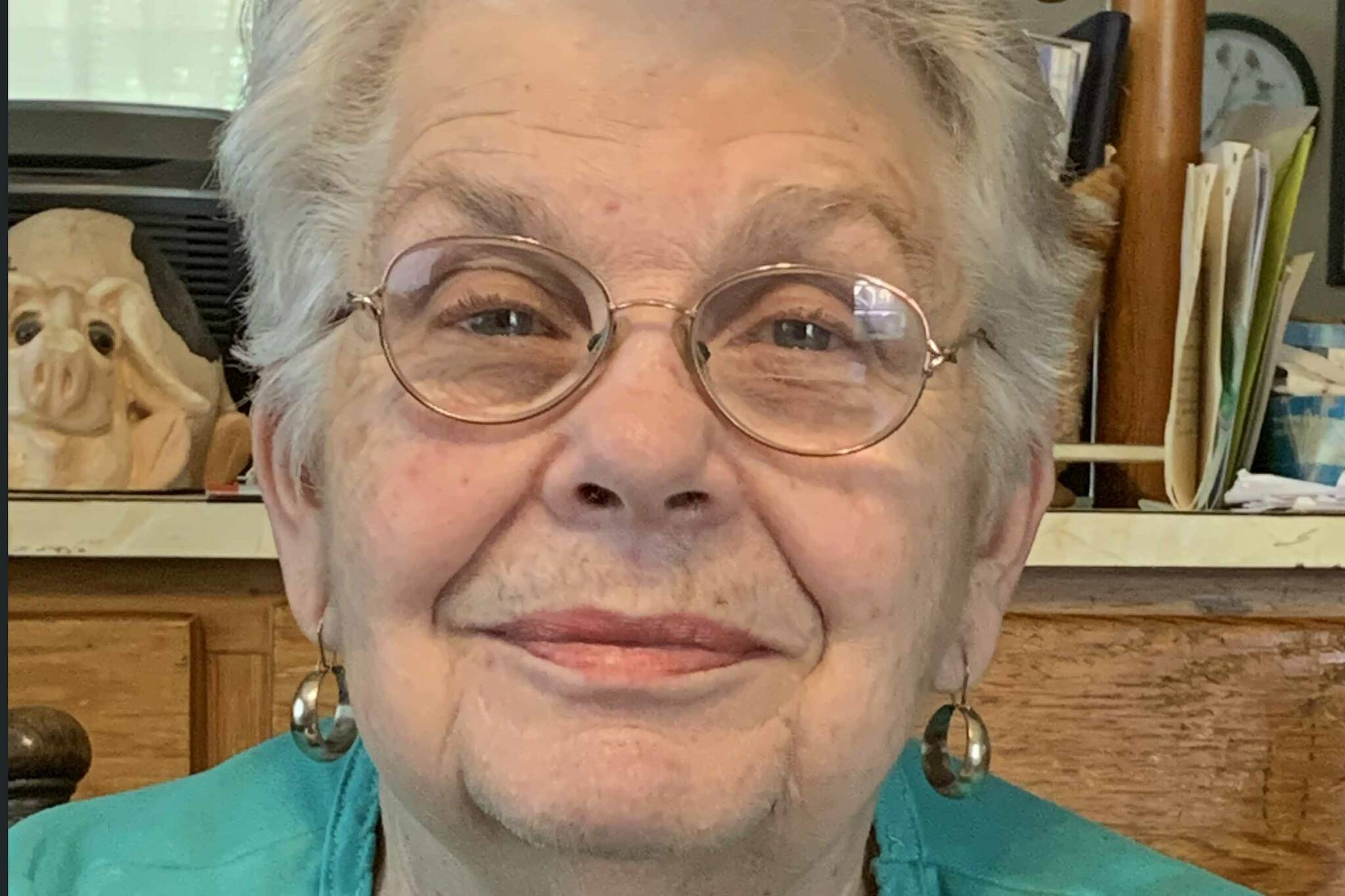
I recently checked a book out of the library. Nothing different there, I check out lots of book, but this one was Large Print. On purpose. I have used LP books in the past, but only because that was the only one of that title left on the shelf at the time. This time, I admitted to myself it was so much easier to read those pages, and bit the bullet (read: bowed to my better sense), and chose the easier path.
My grandmother’s eyesight faltered when she was about my age. She was not an avid reader, but true to her generation (she was born in 1895) she was very adept at “handiwork” — embroidery, crochet and her favorite: quilting. She pieced full-sized quilts by hand, then put them on the quilt frame and stitched the quilting stitches in some intricate pattern, also by hand.
In her later years, when quilting had come back into favor as a pastime, she was called on by the women’s clubs in her area to teach their members, a couple of generations younger than she was, how to make a quilt. Many winter afternoons she’d entertain a group in her home, She’d set up the quilt frame in her living room where they’d gather round for an old-fashioned quilting bee as she instructed. She laughed and told me once that things hadn’t changed much: If you wanted to know what was going on in town, and with who, go to a quilting bee.
Grandma was also a talented and expert seamstress, although in the first years of her widowhood, it was more of an avocation than a hobby. She lived in a small farm town in eastern Washington where everyone knew everyone for miles around. The mantra became “Show Ruth. She can fix it” or “Takes it to Ruth. She’ll know what to do.” She had at least three generations of bridesmaid gowns and prom dresses as legacy when she put down her scissors.
She taught me to sew and earned me years of 4-H blue ribbons, plus giving me a skill that served me well in my young mother days. I made most of my own clothes and those of my daughter who, even into her teens, would ask me to make her clothes because she had her own style and tweaked patterns and mixed colors to fit her imagination. I finally taught her to sew and she carries on today.
Grandma compensated well: larger crochet hooks and coarser thread; two or three strands of embroidery floss and a large eyed needle and rather than roses and ribbons, dancing bears and baby elephants on the pillowcases. She hadn’t driven far for a few years. Just downtown to pick up her mail and buy a loaf of bread so she just didn’t renew her license one year. There was always someone willing to drive her around when necessary.
She lived another 20 years. We celebrated her 100th birthday with a big picnic at the family farm with five generations of family and even some of her younger (in their 80s and 90s) friends in attendance. She lived long enough to see the sixth generation (my first great-grands, who are now in the Marines) and was sure to get pictures to show (prove to) her friends. She had quit most handiwork by then, but could still talk quilts when asked for advice … she loved color and pattern … and altogether enjoyed her last years quietly but never alone.
So, I find myself compensating in more ways than LP books: I enlarge the print on my tablet if I want to read more than a few lines; I write everything in at least 14 point font; a needle threader has become my buddy when I sew on a button. We old guys learn to compensate in lots of ways for getting old: hearing aids, wheelchairs, “pinchy sticks” to pick things off the floor. I remember when I thought “lefty loosy, righty tighty” was the greatest compensating tool in the world. I never dreamed that one day a phone would tell me where to turn so I didn’t need a map, or call my friend so I didn’t need to remember the number or dial the phone.
The smart phone appears to be the compensation tool for the younger generations who seem to be compensating for living: If you can’t cook, call for take out. Can’t do math? Use the calculator. Need to write a paper? Try AI. No social skills? Join a chat group and communicate in emojis and made-up abbreviations.
We compensate all our lives for one thing or another. I guess an LP book is just one more tool in my now overflowing bag of survival tricks.
